Exposomics.
The cumulative environmental load a person carries can matter for physiology. Some of it can be measured, and I assess it when your history says it is relevant.
The cumulative burden a person carries from diet, chemicals, metals, air, light and the rest of the environment. It can matter for physiology, some of it can be measured, and it is assessed when a history suggests it is relevant.
The system
What it is, and why it matters.
- What it is
- The exposome is the sum of every environmental input your body has had to process. Heavy metals from food, water, and air. Plasticizers from packaging and personal care. Mycotoxins from water-damaged buildings. Pesticide residues. The exposome is not optional. The dose and the detoxification capacity are.
- Why it matters
- The cumulative load of heavy metals, plasticizers, pesticides, and persistent organic pollutants creates measurable dysfunction at the cellular level. Detoxification is not a wellness slogan. It is a real biochemical process with a finite capacity, and modern life routinely exceeds that capacity. When the load wins, every other system pays.
- What I read for
- Total body burden versus mobilized excretion. Which specific compounds are driving symptoms in your case. Your detoxification capacity, especially glutathione status, methylation function, and the activity of liver phase 1 and phase 2 enzymes. The lever changes depending on which of those is rate-limiting.
What it can look like
When this system is under strain.
None of these is specific to this system, and none of them diagnoses anything. They are the presentations in which I find this system worth reading.
- Unexplained fatigue or brain fog that resists targeted interventions.
- Hormonal symptoms in the absence of an obvious endocrine cause.
- Slow recovery from illness or injury, especially in someone who used to bounce back.
- Sensitivity to chemicals, foods, or fragrances that did not used to bother you.
- Autoimmune patterns or chronic low-grade inflammation without a clear trigger.
Evidence boundaries
What can and cannot be measured.
Stated plainly, so this page never reads as a promise. The standard for how evidence is weighed is on the framework.
Can show
- Some exposures, with validated tests: blood lead, blood or urine mercury for a defined exposure, and a few others when a history points at them.
- Indoor air and water quality, which are the most controllable inputs.
Cannot show
- Total body burden from a provoked urine test, a hair analysis or a urinary mycotoxin panel. Toxicology bodies advise against these, and they are not used to make a diagnosis.
- That an exposure caused a symptom, without a history and a validated measurement that fit together.
What clarifies it
What information tends to clarify this system.
Environmental load is best read through metabolomic and elemental markers.
Inflammation and nutrient status, which are the first places environmental load tends to show.
Testing is chosen for a patient inside care, when a result is likely to change a decision, and billed by the laboratory at its own price. Explore working with Dr. Tagge.
Everyday levers
What tends to help, in general.
General levers, not a protocol. Which of them applies to a given person, in what order and at what dose, is decided in care, against that person’s history and results.
Filter your water and your air
Two of the highest-yield interventions for almost no behavioral cost.
Reduce plastic in food contact
Glass storage, no heating in plastic, no plastic-bottled water at room temperature.
Clean up personal care
What goes on your skin enters your circulation. EWG-rated lotions, deodorants, and cosmetics matter more than people realize.
Sweat regularly
Sauna and exercise are the most efficient routes for mobilizing fat-soluble toxins. Three to four sessions per week is the threshold dose.
Support liver and gut clearance
Cruciferous vegetables, adequate protein for phase 2 conjugation, and a healthy microbiome so what the liver excretes does not get reabsorbed.
Read next
Go one level deeper.
- Symptoms
- Presentations this system can contribute to: poor sleep, hair loss, high cholesterol concern, high blood pressure concern.
- Essays
- EMF exposure and health: the honest answer.
- What is the exposome? And why I read it.
- Toxins in personal care products.
- Plastics, BPA, and hormone disruption.
- Indoor air quality: the toxins in your home.
- The hidden health costs of air pollution.
- The Report
Recent issues that covered this pillar:
- Wednesday, October 14, 2026: Swallowed microplastics piled up in the liver's guardian immune cells in mice, and the liver around them started storing fat.
- Monday, October 5, 2026: No notable signal this cycle.
- Friday, September 25, 2026: Two pollutants most people carry every day turn out to be worse together than apart.
- Terms used here
- Detoxification · Exposome · Methylation
- Connected systems
- No system stands alone. Metabolism & Metabolomics · Epigenetics · Gut-Immune Health
- The framework
- How this pillar sits with the other six, the method, and the order of intervention: how I think.
Questions
About exposomics
- Should I do a chelation protocol?
- Sometimes, but rarely as a first move. Chelation done incorrectly mobilizes more than your detoxification system can process. The capacity work comes first.
- Can I do anything about ambient pollution where I live?
- Yes. Indoor air quality is where you spend most of your time, and it is the most controllable variable. A good filter, ventilation discipline, and the obvious removals (artificial fragrance, gas stoves where possible) move the needle measurably.
This system, in your case
Reading it in general is not reading it in you.
Apply, and I follow up with you personally after I have read it. You tell me what is going on. I tell you how I would approach it. You decide if I am the right physician for you. Nothing is charged when you apply.
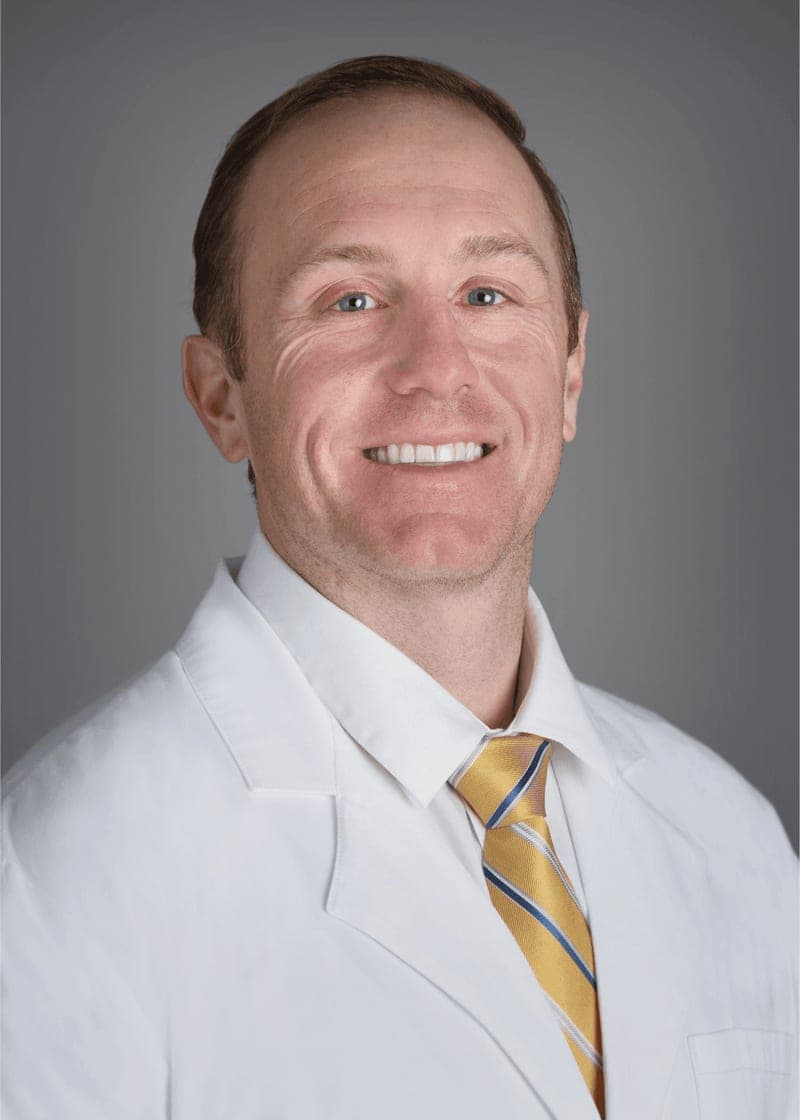
Written by
Daniel Tagge, MD
Board-certified family physician and founder of Tagge Health. Certified in Health Optimization Medicine.
About Dr. Tagge