The framework
Daniel Tagge, MD
Board-certified family physician, certified in Health Optimization Medicine
Last revised 2026-09-19
The clinical framework behind Tagge Health.
I believe the future of medicine is not simply finding disease earlier. It is understanding human physiology well enough to preserve health for longer.
That means looking beyond isolated symptoms and laboratory values to the biological systems that shape metabolism, energy, recovery, adaptation, inflammation, and aging over time.
I use seven interrelated systems as a practical framework for doing that. They do not replace conventional medical assessment. They extend it, giving us a more complete way to understand what is happening now, what may be changing, and where intervention is actually worth considering.
Seven systems. One clinical picture.
The seven systems
What your chemistry is doing now.
How nutrients, hormones, signaling molecules, and metabolic pathways reflect current physiology.
Read this systemHow your cells make and use energy.
The biology of energy production, recovery, adaptation, and resilience.
Read this systemHow timing shapes physiology.
Sleep, circadian rhythms, hormones, metabolism, and the biological effects of when things happen.
Read this systemHow the gut and immune system interact.
Digestion, barrier function, immune signaling, inflammation, and microbial ecology.
Read this systemHow your environment gets under the skin.
The cumulative influence of diet, activity, stress, pollutants, medications, and other exposures.
Read this systemHow biology responds to experience.
How environment and behavior influence gene regulation without changing the DNA sequence itself.
Read this systemWhy the body works the way it does.
Using human evolution and adaptation to understand modern physiology, vulnerability, and tradeoffs.
Read this system
They are not independent categories, and they are not a checklist of tests. They are a map for interpretation: each one is read alongside the others, and each has its own page saying what it is, why it matters, and what can and cannot be measured.
The method
The framework gives me the map. The method is how I use it.
Measure. Compare. Balance.
- Measure
Understand the physiology that is present now.
Start with a thorough history and everything you already have. Add standard laboratory assessment. Add further testing, including metabolomics where it fits, when the result is likely to change a decision. Testing is chosen for the patient, never assigned by a menu.
- Compare
Interpret it in clinical context, against prior data, and across time.
A single value compared to a population is a starting point; the trajectory in one person is where the framework does its work. Each result is read against your own prior results and history, your goals, the clinical evidence, and the standard medical assessment.
- Balance
Decide what is worth changing, what should be watched, and what does not need intervention.
When something meaningful is off and the evidence supports acting, intervene with the least disruptive lever that will work. The framework’s order of preference is lifestyle first, then bioidentical and nutritional measures, then pharmaceuticals; physician judgment and the patient’s situation decide the actual choice. Then reassess and refine.
The definition
What is health?
Health is more than the absence of diagnosed disease. It includes how well your physiology supports function, resilience, recovery, and adaptation over time.
That is a definition with something to measure, something to interpret, and something to work toward, without pretending that any single marker settles the question.
Both, not either
Conventional medicine asks: is there disease, and is it treated safely?
This framework adds: how well is your physiology functioning, and where is it heading?
The first question comes first, always. The second changes what gets measured over time, what gets prioritized, and what is worth doing about it. The absence of disease does not mean every aspect of your physiology is where it should be. And a hypothesis about optimization is not, on its own, a reason to treat.
In plain terms
What it means for a patient.
Four sentences carry the whole model. Every page on this side of the site is written to hold all four at once.
Standard assessment first. Then the longer view.
Disease, risk and the context that keeps treatment safe are established the conventional way, before anything longitudinal is read into a result. A normal result is good news and is treated as such.
Normal describes a population. Your health is a question about you, over time.
The same value means something different after ten years of drift, and something different in one person than in another. Your own prior results and history are the comparison that matters most.
The absence of disease does not mean every aspect of physiology is where it should be.
The framework has a definition of health, not only a definition of disease, so there is something to work toward once the standard questions are answered.
A hypothesis about optimization is not, on its own, a reason to treat.
Acting requires a meaningful clinical reason and evidence that supports acting. When neither is there, the honest move is to watch, measure again, and say so.
The order of intervention
Lifestyle first, bioidenticals second, phytoceuticals third, pharmaceuticals as a last resort.
This is an order of preference, not a protocol. It says which lever I reach for first when something meaningful is off and the evidence supports acting. It does not say that every patient climbs the ladder, that a step is skipped because it is lower, or that a disease waits for lifestyle to fail before it is treated.
Lifestyle
Light, sleep, movement, food, timing, stress and the environment. First, because they act on every system at once and cost the least to try.
Bioidenticals and nutrients
Hormone preparations with the same molecular structure the body produces, and the nutrients a measured gap calls for. Second, and only when a measured reason exists.
Phytoceuticals
Botanical and nutrient-based compounds with measurable physiological effects, used as targeted therapeutics. Third.
Pharmaceuticals
Last, never never. When a drug is the right tool it is used without apology, and a disease that needs treatment is treated.
One input among several
Where metabolomics fits.
Metabolomics is the first system because it is a way of looking: at the small molecules a body is producing now, which change with diet, activity, medications, the microbiome and disease. In practice it is one source of information among several, useful when it can add something that changes a decision. It is not a required part of care, it does not replace standard laboratory medicine, and a pattern on a metabolomic read is a question to interpret in context, not a diagnosis.
The metabolomics page says what it can and cannot settle; the longevity page places it inside the practice.
Evidence and judgment
How the evidence is weighed here.
The framework is a way of thinking, and thinking has to answer to evidence. This is the standard every essay, system page and Report issue on this side of the site is held to.
- What counts most
- Clinical guidelines and consensus statements, then systematic reviews and randomized trials, then cohort studies. Mechanistic and animal work explains how something might happen; it is labelled as mechanism and is not used to claim that it does happen in people.
- What I say when the evidence is thin
- That it is thin. Where I hold a working target or a preference the literature does not settle, it is stated as my judgment, in my practice, and not as a rule.
- What a reviewed essay carries
- A list of the sources it relies on, a date it was revised, and, once I have gone through it line by line, a note that I have. Until then an essay is an essay, not a reviewed one.
- Where the current reading lives
- The Precision Health Report is dated commentary on research as it appears, sourced issue by issue. It is what I am reading now, not the durable framework, and it is read that way.
Where this framework comes from
Where this framework comes from.
Health Optimization Medicine is an important influence on how I think, and completing it is part of my formal training. What you have read above is not a separate system of medicine. It is integrated with standard medical assessment and longitudinal physician care, and the board-certified family medicine training is the ground it stands on.
The related framework Health Optimization Practice is how non-clinical, non-physician practitioners apply health-optimization principles in their own settings. It is not the practice of medicine.
The credential
Certification is awarded by the Health Optimization Medicine and Practice (HOMe/HOPe) faculty, founded by Dr. Ted Achacoso, after staged coursework across clinical metabolomics, mitochondrial function, evolutionary medicine and the seven systems above.
Those stages are certified one at a time, and I have completed all of them: I am the first physician in North Carolina fully certified to practice Health Optimization Medicine, a credential you can verify with the certifying body. I am also a board-certified family physician, and that training is the ground the framework stands on.
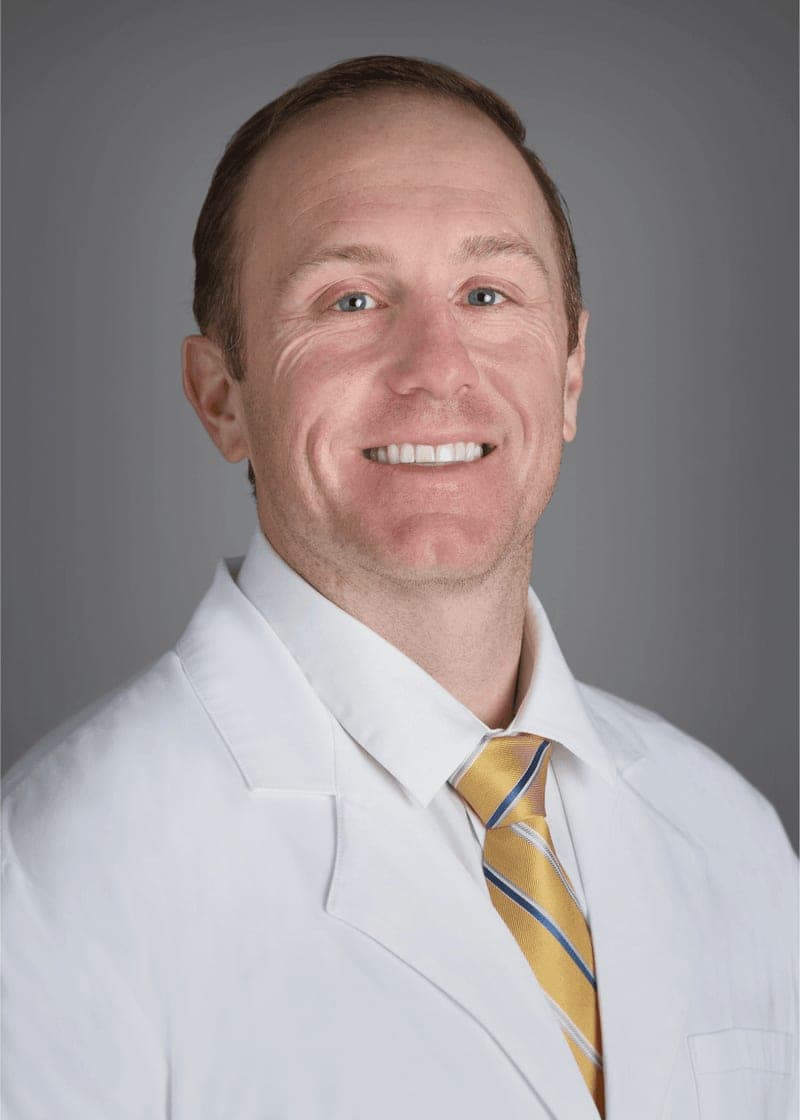
Written by
Daniel Tagge, MD
Board-certified family physician and founder of Tagge Health. Certified in Health Optimization Medicine.
About Dr. TaggeWork with me
The framework, applied to your own physiology.
Apply, and I follow up with you personally after I have read it. You tell me what is going on. I tell you how I would apply this framework to your physiology. You decide if I am the right physician for you.
Nothing is charged when you apply. Explore working with Dr. Tagge.
Go deeper
This page is the map. The rest of the Longevity Library goes deeper into the systems, the biomarkers, the clinical questions and the concepts that sit inside it.
- Essays
The foundation. What Health Optimization Medicine actually looks at, one system at a time.
- The Report
- What I am reading now, issue by issue, across the same seven systems. Latest: Monday, October 5, 2026.
- Glossary
- Plain definitions of the terms above and the markers the systems name. Open the glossary.
- In the practice
- What all of this means for a patient, and where it sits beside conventional, preventive, functional and integrative medicine, is on the longevity page.