Chronobiology.
Every hormone, immune function, and metabolic process runs on a circadian schedule. The disruption is measurable, and the consequences are systemic.
Hormones, immune function and metabolism run on circadian schedules. Light exposure, sleep, meal timing and stress patterns influence gene expression and repair across the day. Circadian disruption is common, often measurable, and often modifiable.
The system
What it is, and why it matters.
- What it is
- Chronobiology is the study of biological time. A master clock in the brain (the suprachiasmatic nucleus) reads light through your eyes and synchronizes thousands of peripheral clocks in every tissue. Food timing, movement, and stress all carry timing signals too. When those signals contradict each other, the system desynchronizes.
- Why it matters
- Your body runs on a clock. Cortisol, melatonin, growth hormone, insulin sensitivity, gut motility, immune function, and DNA repair all peak and trough on a 24-hour rhythm. Disrupt the clock and you disrupt all of it. Most chronic disease shows a circadian signature long before it shows a diagnosis.
- What I read for
- Morning cortisol and the diurnal curve. Sleep architecture, when wearable data is available. Patterns in fasting glucose and insulin that suggest timing problems rather than absolute dysregulation. The melatonin pattern, when it is worth measuring. The behaviors that are setting or breaking the clock.
What it can look like
When this system is under strain.
None of these is specific to this system, and none of them diagnoses anything. They are the presentations in which I find this system worth reading.
- Poor sleep quality, frequent middle-of-the-night waking, or a tired-and-wired pattern.
- Energy crashes at consistent times of day.
- Mood shifts that track with light, season, or shift work.
- Weight that resists effort, especially central weight gain.
- Daytime fatigue that does not match the hours you spent in bed.
Evidence boundaries
What can and cannot be measured.
Stated plainly, so this page never reads as a promise. The standard for how evidence is weighed is on the framework.
Can show
- Circadian signatures in a history and in wearable sleep data.
- Morning cortisol and a cortisol curve, read as one input among several.
- Glucose patterns that follow timing rather than absolute dysregulation.
Cannot show
- A circadian diagnosis from a single measurement.
- That a salivary cortisol curve settles a sleep or mood complaint on its own. Sleep apnoea and mood disorders are assessed the conventional way first.
Everyday levers
What tends to help, in general.
General levers, not a protocol. Which of them applies to a given person, in what order and at what dose, is decided in care, against that person’s history and results.
Morning sunlight, 10 to 15 minutes
Within 60 minutes of waking, outdoors, eyes open. The single strongest zeitgeber available.
Consistent sleep and wake times
Same window seven days a week. Your clock cannot read inconsistent inputs.
Evening light hygiene
Dim and warm in the last 90 minutes before bed. Bright overhead light at night is the modern equivalent of a stimulant.
Time-restricted eating
A 10 to 12 hour eating window, with the largest meal earlier in the day.
Exercise timing
Morning or early afternoon for most people. Late-evening high-intensity work disrupts sleep more than it builds fitness.
Read next
Go one level deeper.
- Symptoms
- Presentations this system can contribute to: fatigue and low energy, poor sleep, perimenopause, low libido, erectile dysfunction, high blood pressure concern, food cravings.
- Essays
- The evolution of sleep. Why humans slept in tribes.
- Shift work. Surviving and protecting your biology on a night schedule.
- The four pillars of sleep.
- The gut has a circadian rhythm. Why meal timing matters.
- Melatonin. More than just a sleep hormone.
- Biphasic sleep: are afternoon naps natural?
- The Report
Recent issues that covered this pillar:
- Wednesday, October 14, 2026: One mitochondrial carrier in fat cells listens to the body clock, the cold and the last meal before deciding whether to store or burn fuel.
- Monday, October 5, 2026: No notable signal this cycle.
- Friday, September 25, 2026: Years on the night shift leave a fingerprint on your genes that outlasts the schedule itself.
- Terms used here
- Chronobiology · Cortisol curve
- Connected systems
- No system stands alone. Mitochondria & Cellular Energy · Metabolism & Metabolomics
- The framework
- How this pillar sits with the other six, the method, and the order of intervention: how I think.
Questions
About chronobiology
- Do you measure circadian rhythm directly?
- I read its signatures across other panels. Morning cortisol, the diurnal curve, fasting glucose patterns, and wearable sleep data give me enough to act on. Direct dim-light melatonin onset testing exists but is rarely necessary clinically.
- What about shift workers?
- Shift work is one of the highest-cost circadian disruptions known. I work with shift workers, but the plan focuses on protecting what circadian function we can rather than pretending the schedule is not happening.
- Is melatonin supplementation safe?
- Used correctly, yes. Most people use it at the wrong time and at doses that are an order of magnitude too high. When I prescribe melatonin, it is small, early-evening, and time-bounded.
This system, in your case
Reading it in general is not reading it in you.
Apply, and I follow up with you personally after I have read it. You tell me what is going on. I tell you how I would approach it. You decide if I am the right physician for you. Nothing is charged when you apply.
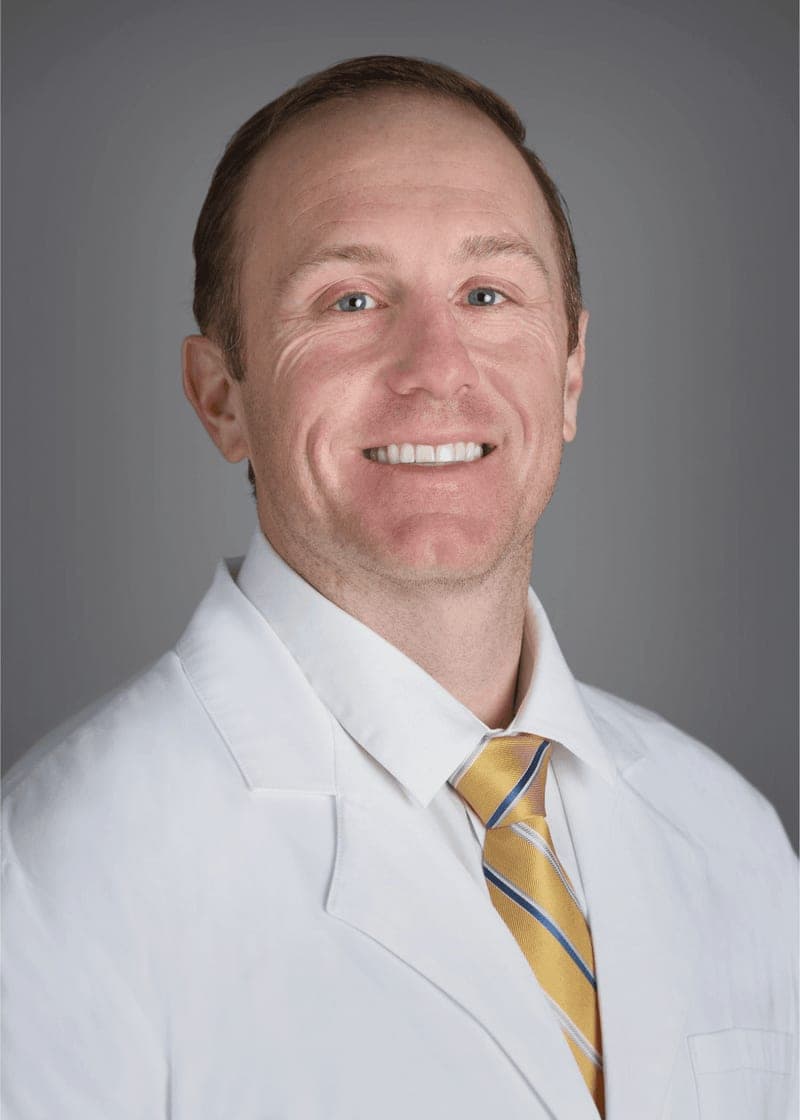
Written by
Daniel Tagge, MD
Board-certified family physician and founder of Tagge Health. Certified in Health Optimization Medicine.
About Dr. Tagge