Gut-Immune Health.
The gut microbiome interacts extensively with immune, metabolic, and gastrointestinal physiology. Read the ecosystem as one system.
The gut houses a large share of the immune system, participates in nutrient and neurotransmitter chemistry, and communicates with the rest of the body through what its microbes produce. Gut function is read as part of the whole picture rather than in isolation.
The system
What it is, and why it matters.
- What it is
- The gut is an ecosystem. Trillions of bacteria, an intestinal barrier one cell thick, the immune cells lining it, and the vagus nerve connecting it to the brain. The bacteria are not passengers. They produce short-chain fatty acids that fuel your colon cells, they ferment fibers your enzymes cannot reach, and they communicate with your immune system in real time.
- Why it matters
- The gut microbiome interacts extensively with immune, metabolic, and gastrointestinal physiology: it participates in nutrient and neurotransmitter chemistry and influences gene expression through the metabolites bacteria produce. Gut dysfunction does not stay in the gut. It shows up as autoimmunity, brain fog, skin issues, mood instability, and fatigue. Reading the gut directly takes the guesswork out of every system it touches.
- What I read for
- Microbial diversity first. Then the presence of keystone beneficial species (Akkermansia, Faecalibacterium, Bifidobacterium) and any opportunistic overgrowth. Calprotectin and secretory IgA for inflammation and immune tone. Pancreatic elastase for digestion. Short-chain fatty acid production. Each one points to a different lever.
What it can look like
When this system is under strain.
None of these is specific to this system, and none of them diagnoses anything. They are the presentations in which I find this system worth reading.
- Persistent digestive symptoms (bloating, irregular stools, reflux).
- Food reactions that have crept in or expanded.
- Skin issues (eczema, rosacea, acne) that resist topical treatment.
- Mood instability, anxiety, or brain fog without obvious trigger.
- Autoimmune flares or persistent low-grade inflammation.
Evidence boundaries
What can and cannot be measured.
Stated plainly, so this page never reads as a promise. The standard for how evidence is weighed is on the framework.
Can show
- Inflammation (calprotectin), digestion (pancreatic elastase) and pathogens, with validated stool tests.
- Coeliac disease, IgE-mediated allergy and other gastrointestinal causes, with the conventional tests they call for.
- Response to a structured dietary change, followed over weeks.
Cannot show
- What an individual microbiome profile means for that person. A 2024 international consensus statement advises against microbiome testing for clinical decisions.
- Food intolerance from an IgG panel. These are not used to diagnose allergy or intolerance.
What clarifies it
What information tends to clarify this system.
The gut is best read directly.
The systemic markers that gut dysfunction shows up in: inflammation, iron and nutrient status, and metabolic context.
Testing is chosen for a patient inside care, when a result is likely to change a decision, and billed by the laboratory at its own price. Explore working with Dr. Tagge.
Everyday levers
What tends to help, in general.
General levers, not a protocol. Which of them applies to a given person, in what order and at what dose, is decided in care, against that person’s history and results.
Eat 30 different plants per week
Diversity feeds diversity. This is the single strongest signal for a resilient microbiome.
Add fermented foods
Sauerkraut, kimchi, kefir, yogurt. Small daily portions outperform occasional large ones.
Address the triggers
Alcohol, ultra-processed foods, and chronic NSAID use are the most common modifiable disruptors.
Manage stress
The gut and the brain talk constantly. Chronic stress shifts microbial composition within days.
Sleep
Microbial diversity tracks with sleep regularity. The same circadian system that runs your hormones runs your gut.
Support the barrier when needed
Zinc carnosine, L-glutamine, and targeted polyphenols help when the data shows barrier disruption.
Read next
Go one level deeper.
- Symptoms
- Presentations this system can contribute to: fatigue and low energy, brain fog, perimenopause, hair loss, food cravings.
- Essays
- Microbiome diversity and chronic disease.
- The gut-brain axis, explained.
- How antibiotics impact your microbiome.
- Gut bacteria and immune function.
- Fermented foods, and what they actually do for your gut.
- Fiber and the microbiome. Feeding your good bugs.
- The Report
Recent issues that covered this pillar:
- Wednesday, October 14, 2026: Sugar during antibiotics was linked to deeper gut damage, and in mice the two together let a hospital pathogen bloom.
- Monday, October 5, 2026: No notable signal this cycle.
- Friday, September 25, 2026: A postbiotic moved one gut species 243-fold and nudged blood butyrate up in a month.
- Terms used here
- Calprotectin · Microbiome · Pancreatic elastase · Secretory IgA (sIgA)
- Connected systems
- No system stands alone. Exposomics · Mitochondria & Cellular Energy
- The framework
- How this pillar sits with the other six, the method, and the order of intervention: how I think.
Questions
About gut-immune health
- Do you treat SIBO?
- Yes, when the data supports the diagnosis. SIBO is often a downstream symptom of a deeper motility, immune, or dietary issue, so I treat the cause as much as the colonization.
- What about probiotics?
- Targeted, sometimes. Generic high-count probiotics do less than people think. The right strain for your data, for a defined duration, with measurement before and after is the standard I work to.
This system, in your case
Reading it in general is not reading it in you.
Apply, and I follow up with you personally after I have read it. You tell me what is going on. I tell you how I would approach it. You decide if I am the right physician for you. Nothing is charged when you apply.
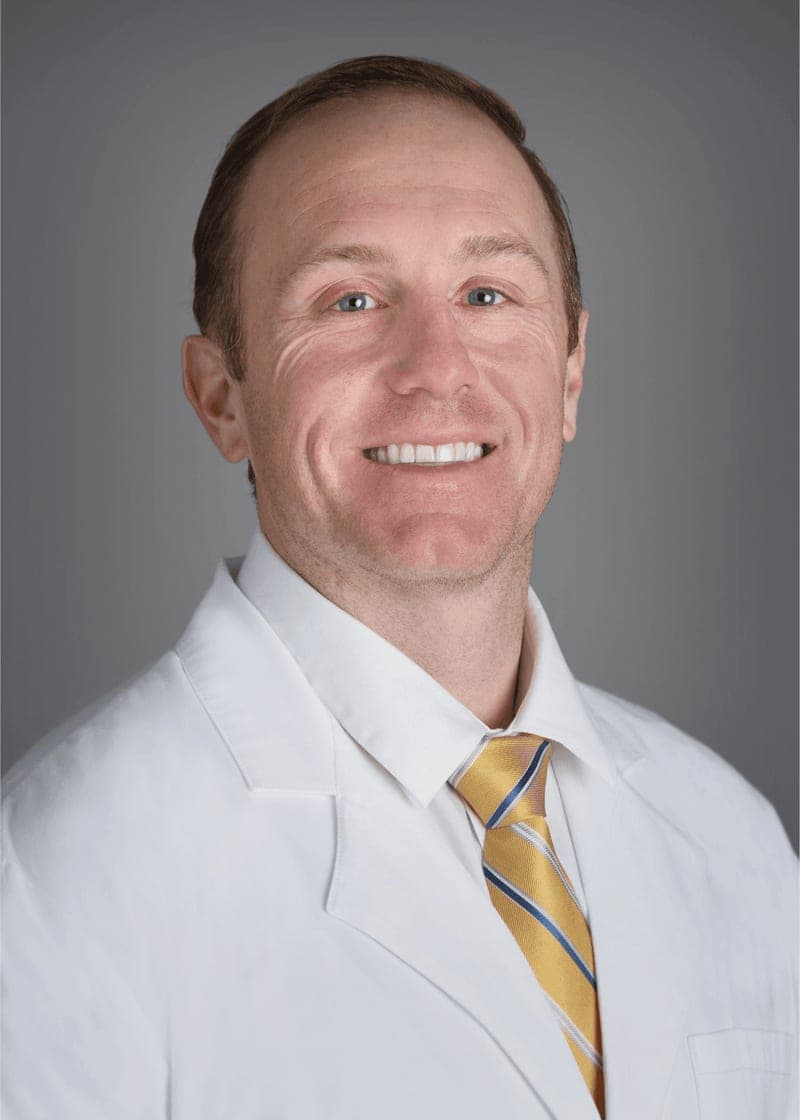
Written by
Daniel Tagge, MD
Board-certified family physician and founder of Tagge Health. Certified in Health Optimization Medicine.
About Dr. Tagge