How this is different
Where this practice fits.
Health Optimization Medicine vs functional medicine vs conventional medicine.
Patients often come to me asking how I am different from their primary care doctor, the functional medicine clinic they tried, or the longevity clinics opening across the country. Honest answers, side by side.
The framing
Each approach starts with a different question.
The question is not cosmetic. It determines what gets measured, what gets prioritized, what gets treated, and how. Three questions, three different fields of medicine.
Conventional
“Are you sick?”
Functional
“What is the root cause of your disease?”
Health Optimization Medicine
“How well is your biology functioning?”
Side by side
Eight dimensions where they diverge.
The question it asks
Conventional
Are you sick?
Functional
What is the root cause of your disease?
HOMe
How well is your biology functioning?
What it measures
Conventional
Standard panels when symptoms or family history warrant. CBC, basic metabolic, lipid panel, TSH.
Functional
Expanded panels including hormones, gut, food sensitivities, sometimes mold and heavy metals.
HOMe
Metabolomics, advanced blood, full hormone panels, gut panel, objective fitness data (DEXA, VO2 max, CGM).
What it compares to
Conventional
Disease cutoffs derived from the broader population.
Functional
Reference ranges plus practitioner intuition. Variable across providers.
HOMe
Optimal ranges derived from healthy 21- to 30-year-olds, not the average of a population that is overweight and inflamed.
When it intervenes
Conventional
After a diagnosis crosses the threshold. Often years after the system started drifting.
Functional
When symptoms suggest a root-cause pattern. Earlier than conventional, later than optimal.
HOMe
While you still feel well. Catches drift years before it becomes disease.
Intervention hierarchy
Conventional
Pharmaceuticals first. Surgery and procedures second. Lifestyle as an afterthought.
Functional
Supplements often first. Diet protocols, sometimes lifestyle. Variable rigor.
HOMe
Lifestyle first, bioidenticals second, phytoceuticals third, pharmaceuticals as a last resort.
Visit length and depth
Conventional
12 to 15 minutes. Templated by chief complaint. Insurance-driven coding.
Functional
Longer initial visit. Variable depth. Often paired with supplement sales.
HOMe
Long initial visit. Written Precision Health Plan as the deliverable. Direct physician access via async messaging between visits.
Conflict of interest
Conventional
Insurance reimbursement drives what is offered.
Functional
Practitioner often profits from supplements they recommend.
HOMe
Flat monthly retainer. Labs at vendor cost, no markup. No supplement margin.
Best for
Conventional
Acute illness, established disease, life-threatening conditions. Essential.
Functional
Chronic, multisymptom patients seeking a broader diagnostic frame.
HOMe
Active adults who want to feel and perform at their best, optimize healthspan, and catch trouble before it becomes disease.
The relationship
I work alongside your primary care doctor, not against them.
Conventional medicine is essential. Your primary care doctor catches and treats acute illness, manages established disease, and handles the medical events insurance was designed to cover. I do not replace any of that. If you break a bone, get a serious infection, or face a major diagnosis, you need conventional medicine, full stop.
What I add is the layer conventional medicine cannot reach. The years before disease. The drift insurance does not pay to catch. The systems that have to be read together to make sense. The optimal ranges that exist below the disease cutoffs but above the noise of an average population.
You should keep your primary care doctor. You should also have a physician who reads your biology against optimal function, writes a Plan, and walks beside you while the deeper work happens. Those are two different jobs. Both matter.
Where I land
Why I chose HOMe.
I trained in conventional medicine and spent years inside the conventional system trying to make it work. The visits got shorter. The templates got longer. The biology got harder to actually read because nobody had the time to read it.
Functional medicine opened up the diagnostic frame, which mattered, but the rigor was variable and the supplement-sales model was a conflict of interest I did not want to carry into my exam room.
Health Optimization Medicine offered something different: an explicit definition of health, evidence-based optimal ranges, a certified framework taught by a faculty of practicing physicians, no supplement margin, and a clinical method that worked the way I already wanted to work. I am North Carolina’s only fully certified HOMe physician. That credential is the reason this practice exists in its current shape.
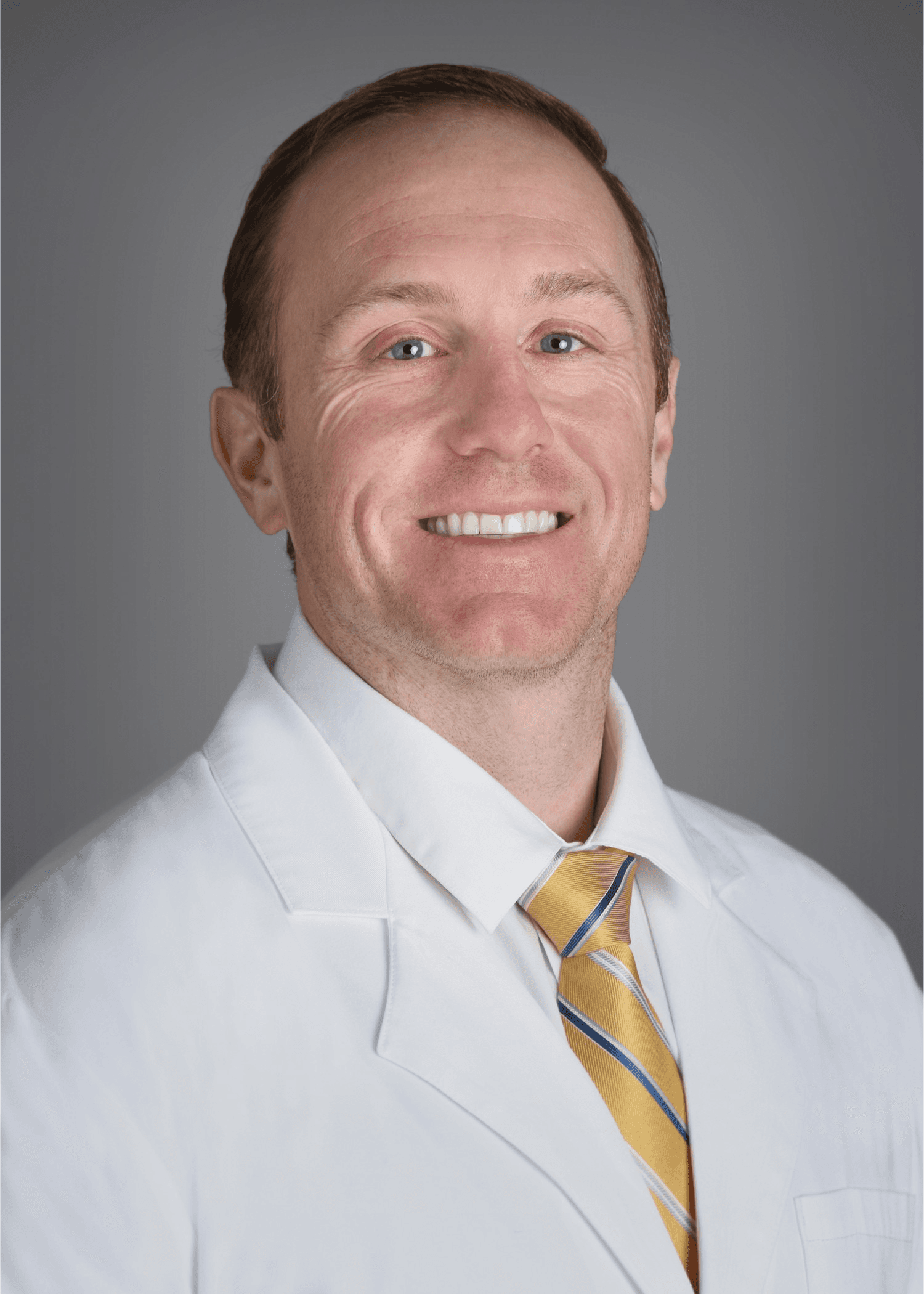
Written by
Daniel Tagge, MD
Board-certified family physician. North Carolina’s only physician certified in Health Optimization Medicine. Third-generation physician. NPI 1225562218.
About Dr. TaggeSee if this fits
Is HOMe the right approach for you?
A complimentary 30-minute call by phone or video with me. You tell me what is going on. I tell you how I would approach it. You decide if I am the right physician for you.